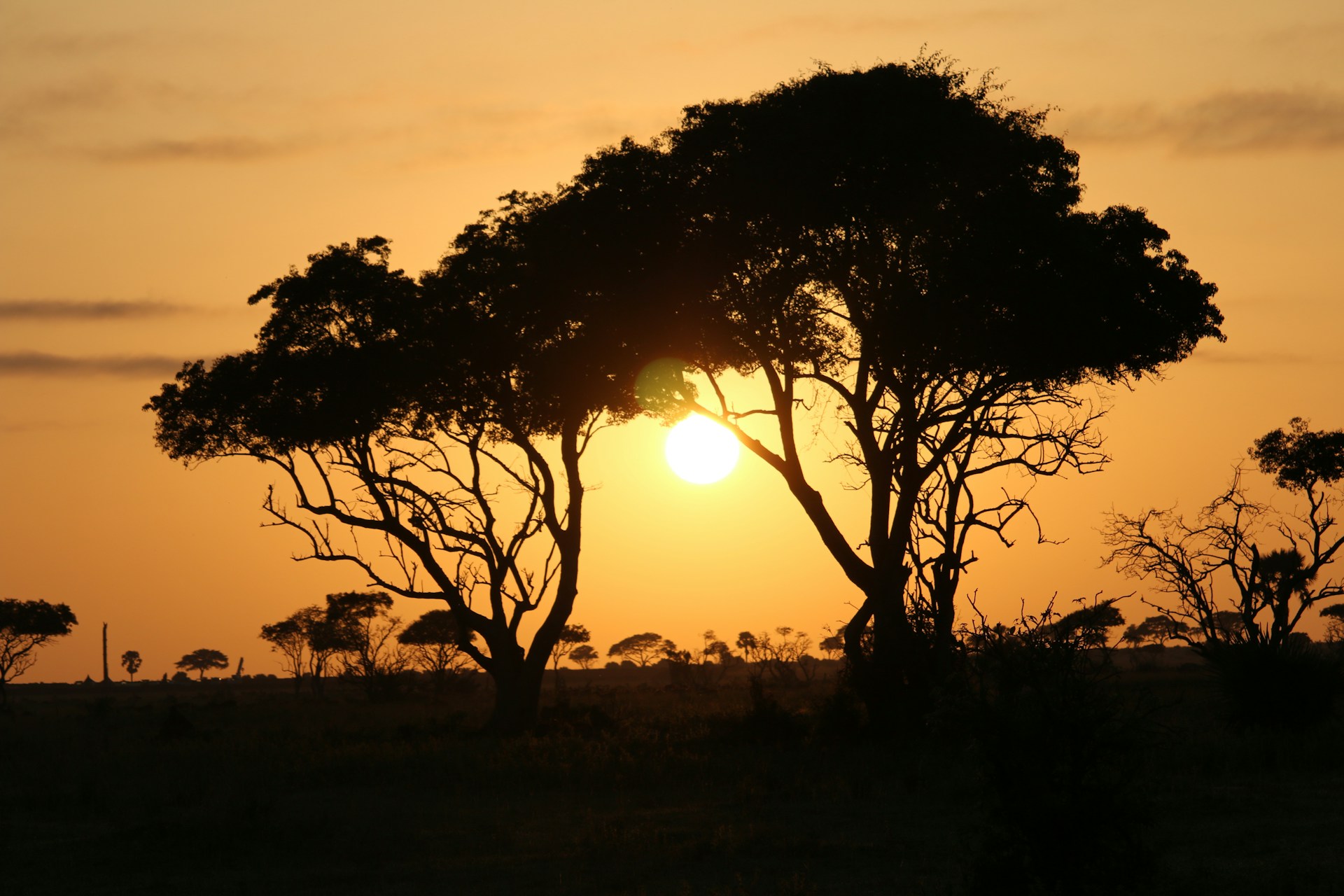
The sun sets at Murchison Falls National Park Uganda, Masindi, Uganda. Photo by Gabriel Schumacher.
Destination Guides & Inspiration

Uganda for First-Time Safari Travelers: Your Easy Planning Guide

7 min read
T
TsavaroOctober 29, 2025

Planning your first safari in Uganda can feel overwhelming, but it doesn't have to be. As Africa's "Pearl," Uganda offers some of the continent's most accessible and rewarding wildlife experiences, perfect for first-time safari travelers looking to explore their own backyard or venture into neighboring territories. Whether you're a Kampala professional seeking a weekend escape or a regional traveler ready to discover Uganda's legendary mountain gorillas and diverse ecosystems, this comprehensive guide will transform your safari dreams into reality.


Uganda's unique position as a safari destination lies in its incredible diversity – from the misty mountains of Bwindi to the vast savannas of Queen Elizabeth National Park. With proper planning, your first Ugandan safari can be both budget-friendly and unforgettable, offering authentic encounters with wildlife while supporting local communities and conservation efforts.


Uganda for First-Time Safari Travelers

  1. Why Uganda is Perfect for First-Time Safari Travelers
  2. Essential Safari Planning: When and Where to Go
  3. Budget Planning and Cost Management
  4. Essential Preparations and What to Pack
  5. Cultural Etiquette and Community Engagement
  6. Wildlife Viewing Tips and Safety Guidelines
  7. Sustainable Safari Practices
  8. FAQ Section
  9. Key Takeaways
  10. Start Your Uganda Safari Adventure with Tsavaro


pexels-maria-velazquez-de-castro-3132830-4733657.jpg


Why Uganda is Perfect for First-Time Safari Travelers


Uganda stands out as an ideal first safari destination for several compelling reasons. The country offers exceptional value for money compared to other East African safari destinations, making it particularly attractive for budget-conscious travelers. Uganda's compact size means you can experience diverse ecosystems – from tropical rainforests to open savannas – without extensive travel times between parks.


The country's tourism infrastructure has developed significantly, with improved roads connecting major parks and a growing network of accommodation options ranging from budget campsites to luxury lodges. Uganda's political stability and welcoming culture create a safe environment for first-time safari travelers, while English as an official language eliminates communication barriers.


Most importantly, Uganda offers unique wildlife experiences unavailable elsewhere. Mountain gorilla trekking in Bwindi Impenetrable National Park provides intimate encounters with our closest relatives, while chimpanzee tracking in Kibale Forest offers another exceptional primate experience. The country's bird diversity – over 1,000 species – makes it a paradise for wildlife enthusiasts of all levels.


Essential Safari Planning: When and Where to Go


Timing your Uganda safari correctly can significantly impact your experience and budget. Generally, Uganda's dry seasons (December to February and June to September) offer the best wildlife viewing conditions, with animals congregating around water sources and easier park access. However, these peak periods typically come with higher accommodation rates and increased visitor numbers.


For budget-conscious travelers, consider the shoulder seasons (March to May and October to November). While you may encounter occasional rain, you'll benefit from lower prices, fewer crowds, and lush, green landscapes. The wet seasons also coincide with bird migration periods, offering exceptional birding opportunities.


Uganda's top safari destinations each offer distinct experiences. Queen Elizabeth National Park, the country's most popular safari destination, provides classic African savanna experiences with lions, elephants, and hippos. Murchison Falls National Park combines wildlife viewing with the spectacular Murchison Falls, where the Nile River forces through a narrow gorge.


For primate enthusiasts, Bwindi Impenetrable National Park offers mountain gorilla trekking, while Kibale National Park provides chimpanzee tracking experiences. Lake Mburo National Park, being the closest to Kampala, makes an excellent weekend safari destination for local travelers.


mountain_gorillas.jpg


Budget Planning and Cost Management


Safari costs in Uganda vary significantly based on your choices regarding accommodation, transportation, and activities. Budget travelers can expect to spend per person per day for basic camping and shared transportation, while mid-range options typically cost daily, including comfortable lodging and private vehicle access.


The largest expense for most safaris is accommodation. Budget camping options are available in most parks, offering basic facilities at affordable rates. Mid-range lodges provide comfortable rooms with private bathrooms and often include meals. Luxury options offer premium experiences with exceptional service and exclusive locations.


Transportation costs depend on your group size and preferred comfort level. Shared group tours offer the most economical option, while private vehicle hire provides flexibility and personalized experiences. Consider joining organized group tours through reputable local operators to reduce individual costs while maintaining quality experiences.


Activity fees represent another significant cost component. Gorilla trekking permits cost for foreign residents is $700 and UGX 300,000 for East African residents. Chimpanzee tracking permits are generally more affordable ranging from $50 - $200 depending on the park. Game drives typically cost around $30 per foreign national on a guided drive.


Essential Preparations and What to Pack


Proper preparation ensures your safari experience is comfortable and memorable. Start with appropriate clothing – neutral-colored, lightweight, long-sleeved shirts and pants protect against sun exposure and insects while helping you blend into the environment. Avoid bright colors and white clothing, which can disturb wildlife and show dirt easily.


Sturdy, comfortable walking boots are essential, especially for gorilla and chimpanzee trekking. Pack both lightweight hiking boots for forest activities and comfortable closed shoes for general park exploration. Don't forget a wide-brimmed hat, sunglasses, and high-SPF sunscreen for sun protection.


Photography equipment requires careful consideration. While professional cameras capture stunning images, ensure you're comfortable carrying equipment during potentially strenuous activities like gorilla trekking. Bring extra batteries and memory cards, as charging opportunities may be limited in remote areas.


Health preparations include consulting healthcare providers about recommended vaccinations and malaria prevention. [Verify current requirements] Yellow fever vaccination is typically required for entry into Uganda. Pack a basic first-aid kit including insect repellent, anti-diarrheal medication, and any personal prescription medications.


safari_packingList02.jpg


Cultural Etiquette and Community Engagement


Uganda's rich cultural diversity enhances any safari experience when approached with respect and understanding. The country is home to over 50 distinct ethnic groups, each with unique traditions and customs. Learning basic greetings in local languages like Luganda ("Oli otya?" - How are you?) demonstrates respect and often leads to warmer interactions.


When visiting local communities, dress modestly and ask permission before photographing people. Many communities welcome visitors and offer cultural experiences like traditional dance performances, craft demonstrations, and village walks. These interactions provide authentic cultural insights while directly supporting local economies.


Tipping practices vary, but generally, safari guides, porters, and lodge staff appreciate gratuities for good service. Research appropriate amounts beforehand to ensure fair compensation without creating unrealistic expectations.


Support local communities by purchasing authentic crafts directly from artisans when possible. Avoid items made from endangered species or protected materials. Many parks have community craft centers where purchases directly benefit local families and conservation efforts.


Wildlife Viewing Tips and Safety Guidelines


Successful wildlife viewing requires patience, respect, and proper preparation. Early morning and late afternoon game drives typically offer the best wildlife activity, as animals are most active during cooler temperatures. Bring binoculars to enhance distant wildlife viewing and bird watching opportunities.


Maintain appropriate distances from all wildlife – never attempt to approach animals for closer photographs or interactions. Follow your guide's instructions at all times, as they understand animal behavior and safety protocols. During gorilla and chimpanzee encounters, maintain the required minimum distance (typically 7 meters) and avoid direct eye contact, which primates may interpret as threatening.


Photography etiquette includes turning off camera flashes, which can disturb wildlife and other visitors. Move quietly and avoid sudden movements that might startle animals. Remember that wildlife viewing is unpredictable – animals may not appear as expected, and weather conditions can affect visibility.


Safety extends beyond wildlife encounters. Stay hydrated, especially during hot weather, and inform guides of any health concerns or physical limitations. Wear appropriate footwear for all activities, and never venture into park areas without authorized guides.


Sustainable Safari Practices


Responsible tourism ensures Uganda's wildlife and communities benefit from your visit while preserving these treasures for future generations. Choose tour operators and accommodations committed to sustainable practices, including fair employment, environmental conservation, and community support.


Minimize your environmental impact by following Leave No Trace principles. Pack out all trash, stay on designated trails, and avoid disturbing natural habitats. Choose reusable water bottles and eco-friendly toiletries to reduce plastic waste in sensitive ecosystems.


Support conservation efforts by visiting parks and paying entrance fees, which directly fund wildlife protection and habitat preservation. Consider extending your impact by supporting local conservation organizations or community development projects.


Respect wildlife by maintaining appropriate distances and following all park regulations. Never feed wild animals, as this disrupts natural behaviors and can create dangerous situations for both animals and future visitors.


FAQ Section


Key Takeaways

Key Takeaways

  • Uganda offers exceptional value and accessibility for first-time safari travelers, with diverse wildlife experiences in compact, easily accessible parks
  • Proper timing and budgeting can significantly enhance your safari experience while managing costs effectively
  • Cultural sensitivity and community engagement enrich your journey while supporting local economies and conservation efforts
  • Advance planning, especially for gorilla trekking permits, ensures you don't miss once-in-a-lifetime experiences
  • Sustainable tourism practices help preserve Uganda's natural treasures for future generations
  • Tsavaro's local expertise and established partnerships provide reliable, authentic safari experiences tailored to African travelers
  • Safety and preparation are essential, but Uganda's welcoming culture and developed tourism infrastructure make it ideal for safari beginners


Start Your Uganda Safari Adventure with Tsavaro


Ready to transform your safari dreams into reality? Tsavaro's deep local knowledge and established partnerships across Uganda ensure your first safari experience exceeds expectations while supporting local communities and conservation efforts. Our carefully curated safari packages cater specifically to African travelers, offering authentic experiences at exceptional value.


From budget-friendly weekend escapes to comprehensive multi-park adventures, Tsavaro connects you with Uganda's most reputable local operators and guides. Our platform makes booking simple with local payment options and transparent pricing, while our 24/7 support ensures peace of mind throughout your journey.


Don't let planning overwhelm your safari dreams. Contact Tsavaro for personalized recommendations tailored to your interests and budget.