Kampala for Business Travelers: Meetings, Markets & Modern Comfort
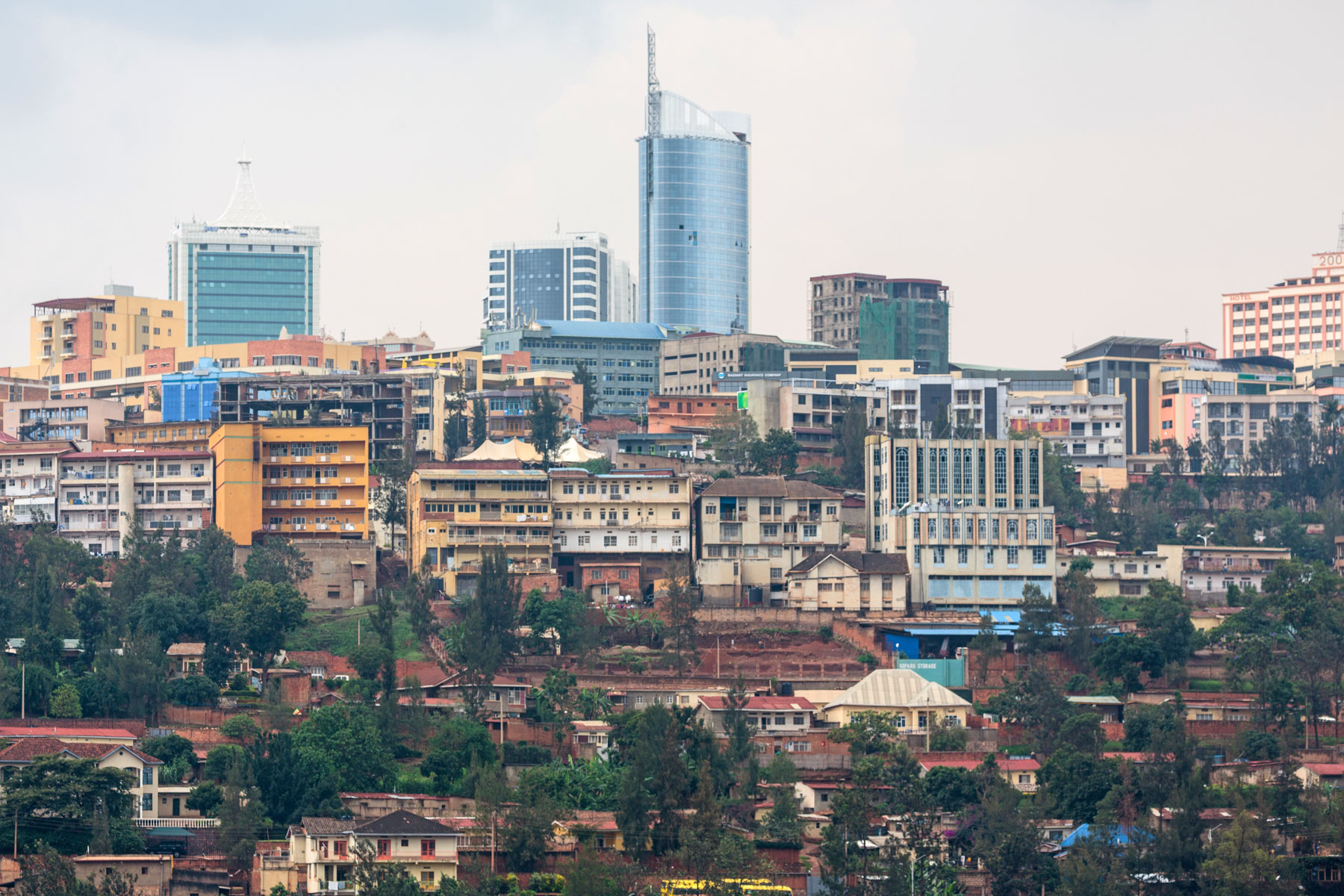
12 min readKampala pulses with entrepreneurial energy that defines East Africa's business landscape. As Uganda's capital and commercial heart, this city of approximately 6.7 million metro residents transforms traditional African commerce with modern innovation, creating opportunities that draw professionals from Lagos to Johannesburg. For the Pan-African executive navigating regional markets, Kampala offers strategic advantages beyond its central location—it's where deals flow as smoothly as conversations over roasted coffee, and where business relationships build on foundations of genuine hospitality.
The city's transformation into a regional business hub reflects Uganda's broader economic ambitions. Here, morning meetings might overlook the shores of Lake Victoria, lunch discussions happen in modern business districts, and evening networking unfolds in sophisticated venues that rival any continental capital. Whether you're establishing regional partnerships, exploring investment opportunities, or attending sector conferences, Kampala delivers the infrastructure and connectivity that ambitious professionals demand, wrapped in Ugandan warmth that makes even the most intensive business trips memorable.
Kampala for Business Travelers
- Understanding Kampala's Business Landscape
- The Economic Powerhouse of East Africa
- Strategic Location and Regional Connectivity
- Business Districts and Meeting Venues
- Central Business District (CBD)
- Kololo and Nakasero Hills
- Industrial Area
- Navigating Business Culture
- Meeting Etiquette and Protocols
- Building Professional Relationships
- Communication Styles
- Practical Business Amenities
- Banking and Financial Services
- Business Centers and Coworking Spaces
- Internet and Connectivity
- Transportation and Logistics
- Airport Transfers and Ground Transportation
- Navigating Traffic Patterns
- Accommodation for Business Travelers
- Choosing Strategic Locations
- Essential Amenities for Productivity
- Health and Wellness Considerations
- Medical Facilities
- Maintaining Wellness Routines
- Dining and Entertainment
- Business Dining Etiquette
- Evening Networking Venues
- Essential Business Travel Tips
- Documentation and Visa Requirements
- Currency and Payments
- Cultural Sensitivity and Respect
- Maximizing Your Business Trip
- Efficient Trip Planning
- Leveraging Local Expertise
- Balancing Work and Cultural Exploration
- Future Business Landscape
- Growing Sectors and Opportunities
- Regional Integration and Trade
- FAQ Section
- Key Takeaways
- Call-to-Action
Understanding Kampala's Business Landscape
The Economic Powerhouse of East Africa
Uganda's economy has shown consistent growth over recent years, with Kampala driving much of this expansion. The city serves as headquarters for numerous regional operations, from telecommunications giants to financial services firms. Key sectors including banking, telecommunications, manufacturing, and technology have established significant presences here, making it essential territory for professionals working across African markets.
The business environment reflects a blend of formal and informal sectors, where traditional trading practices meet modern corporate structures. This duality creates unique opportunities for those who understand how to navigate both worlds. International companies typically maintain offices in central business areas, while local enterprises often cluster in specialized districts based on industry sectors.
Strategic Location and Regional Connectivity
Kampala's position makes it a natural hub for East African business operations. The city provides relatively easy access to Kenya, Tanzania, Rwanda, and South Sudan markets, positioning it as an ideal base for regional coordination. This geographic advantage, combined with Uganda's membership in the East African Community, facilitates cross-border trade and professional movement.
The city's time zone (East Africa Time, UTC+3) aligns with major African business centers and overlaps conveniently with European and Middle Eastern business hours. This temporal positioning proves particularly valuable for professionals managing relationships across multiple continents, allowing for real-time communication during standard business hours.
Business Districts and Meeting Venues
Central Business District (CBD)
Kampala's traditional business center remains the CBD, where government offices, banks, and established businesses concentrate. The area hosts numerous financial institutions and corporate headquarters. While traffic can be challenging during peak hours, the CBD offers proximity to essential services and maintains its importance for certain types of business dealings, particularly those involving government agencies or established local firms.
Modern office buildings in this area typically provide conference facilities suitable for formal meetings. Many incorporate backup power systems to ensure continuity during occasional power interruptions—a consideration that experienced African business travelers know to factor into planning.
Kololo and Nakasero Hills
These elevated neighborhoods have evolved into preferred locations for international organizations, embassies, and upscale businesses. The areas offer a quieter alternative to the bustling CBD while maintaining easy access to central locations. Many diplomatic missions and international NGOs base their operations here, making these neighborhoods particularly relevant for professionals in development, diplomatic, or international trade sectors.
Professional services firms, including law offices and consultancies, often choose these areas for their offices. The relatively calm environment and better infrastructure make them suitable for important client meetings or negotiations requiring focused attention.
Industrial Area
For professionals in manufacturing, logistics, or import/export businesses, Kampala's Industrial Area provides essential context for understanding Uganda's production capabilities. While primarily focused on manufacturing and warehousing, the area includes showrooms and business offices where B2B transactions occur regularly.
Visiting this district offers insights into Uganda's industrial capacity and can facilitate direct engagement with manufacturers and suppliers. However, meetings here typically require private transportation, as public transport options are limited compared to central areas.

Navigating Business Culture
Meeting Etiquette and Protocols
Ugandan business culture values relationships and respect, with initial meetings often including time for personal connection before addressing business matters. Punctuality is appreciated, though meetings may start slightly later than scheduled—a rhythm familiar to professionals working across African markets. Dress codes lean toward formal business attire, with suits standard for important meetings, though some sectors adopt business casual for regular operations.
Handshakes remain the standard greeting, often held longer than Western customs while exchanging pleasantries. Business cards should be presented and received with both hands as a sign of respect. While English serves as the primary business language, learning basic Luganda greetings can demonstrate cultural appreciation and facilitate warmer relationships.
Building Professional Relationships
Success in Kampala's business environment often depends on relationship quality rather than purely transactional efficiency. Ugandan professionals value trust and personal connections, investing time in understanding counterparts beyond immediate business needs. This approach, while requiring patience, often yields stronger, more sustainable partnerships.
Networking happens both formally through business associations and informally through social gatherings. Golf clubs, professional associations, and sector-specific groups provide platforms for expanding professional networks. Religious communities also play significant roles in business networking, with many deals initiated through connections made at worship services.
Communication Styles
Direct communication is generally acceptable in Ugandan business contexts, though diplomacy and respect remain paramount. Negative feedback or disagreement should be delivered constructively, avoiding confrontation that might cause loss of face. Email remains standard for formal communications, while WhatsApp has become increasingly common for quick coordination and follow-ups.
Phone calls often precede important emails, establishing personal connection before formal documentation. This multi-channel approach reflects the importance of maintaining both personal relationships and professional documentation—a balance that characterizes successful business operations across Africa.


Practical Business Amenities
Banking and Financial Services
Kampala hosts branches of major international and regional banks, with most offering services tailored to business travelers. ATMs are widely available in business districts, generally accepting international cards, though it's advisable to maintain some cash for smaller transactions. Mobile money services, particularly MTN Mobile Money (MoMo) and Airtel Money, have revolutionized local payments, and understanding these systems can facilitate various business transactions.
Currency exchange services operate throughout the city, with competitive rates typically available at forex bureaus rather than hotels. Banks generally offer secure but slightly less favorable rates. For substantial transactions, establishing relationships with reputable forex bureaus can yield better terms.
Business Centers and Coworking Spaces
The rise of entrepreneurship and remote work has spawned numerous coworking spaces across Kampala, offering flexible solutions for visiting professionals. These spaces typically provide reliable internet, backup power, printing services, and meeting rooms—essential infrastructure for maintaining productivity. Many also facilitate networking through member events and shared common areas.
Traditional business centers in hotels continue serving travelers requiring temporary office facilities. These typically include secretarial services, translation assistance, and conference facilities. While generally more expensive than coworking spaces, hotel business centers offer convenience and established service standards familiar to international travelers.
Internet and Connectivity
Internet infrastructure has improved significantly in recent years, with fiber optic connections available in major business areas. Most hotels and restaurants catering to business travelers offer WiFi, though speeds can vary. Purchasing a local SIM card with data packages provides reliable backup connectivity and proves cost-effective for extended stays.
Multiple telecommunications providers offer competitive data packages, with coverage generally good in urban areas. For critical video conferences or large file transfers, identifying venues with fiber connections ensures smooth operations.
Transportation and Logistics
Airport Transfers and Ground Transportation
Entebbe International Airport, located approximately 40 kilometers from Kampala, serves as the primary gateway for international business travelers. The journey typically takes between one to two hours depending on traffic conditions. Pre-arranged transfers through hotels or reliable taxi services provide the most comfortable option, particularly for evening arrivals.
Within Kampala, transportation options range from hotel cars and reputable taxi services to ride-hailing applications that have gained popularity among business travelers. While special hire taxis offer flexibility, agreeing on fares beforehand prevents misunderstandings. For regular meetings across the city, engaging a trusted driver for the day often proves most efficient.
Navigating Traffic Patterns
Kampala's traffic requires strategic planning, particularly during morning (7:00-9:30 AM) and evening (5:00-7:30 PM) peak hours. Scheduling meetings outside these windows or allowing substantial buffer time prevents delays that could impact professional relationships. Friday afternoons often see increased congestion as people depart for weekend travels.
Understanding alternative routes becomes valuable for maintaining punctuality. Local drivers familiar with shortcuts can navigate congestion more effectively than GPS systems, which may not reflect real-time traffic conditions. Building relationships with reliable drivers who understand business requirements enhances overall efficiency.
Accommodation for Business Travelers
Choosing Strategic Locations
Selecting accommodation near meeting venues or client offices significantly impacts productivity. While central locations offer convenience, areas like Kololo or Naguru might provide quieter environments conducive to remote work and rest. Many establishments catering to business travelers cluster in these neighborhoods, creating ecosystems of services oriented toward professional needs.
Consider properties offering business facilities including conference rooms, business centers, and reliable internet. Backup power generation has become standard in business-oriented accommodations, ensuring continuity during occasional power interruptions. Properties with restaurants and room service reduce time spent seeking meals during intensive work periods.
Essential Amenities for Productivity
Modern business travelers require specific amenities to maintain productivity. Reliable WiFi tops the list, followed by adequate workspace in rooms, accessible power outlets for multiple devices, and good lighting for video conferences. Laundry services become essential for extended stays, while fitness facilities help maintain wellness routines despite busy schedules.
Many properties now offer executive lounges or club floors providing enhanced services including private check-in, complimentary meeting spaces, and evening networking opportunities. These premium options often justify their costs through time savings and networking potential.
Health and Wellness Considerations
Medical Facilities
Kampala hosts several medical facilities meeting international standards, providing peace of mind for business travelers. Private hospitals and clinics in areas like Kololo and Nakasero offer services familiar to international visitors. Maintaining comprehensive travel health insurance remains essential, as quality private healthcare requires immediate payment.
Pharmacies stock most common medications, though bringing sufficient supplies of prescription medications prevents disruptions. The tropical climate and altitude (approximately 1,200 meters) rarely cause adjustment issues, though staying hydrated remains important.
Maintaining Wellness Routines
Business travel can disrupt wellness routines, but Kampala offers options for maintaining physical and mental health. Several hotels feature fitness facilities, while independent gyms welcome temporary members. Early morning or evening walks in neighborhoods like Kololo provide exercise opportunities when schedules prevent gym visits.
The city's numerous restaurants accommodate various dietary requirements, with vegetarian and international options widely available in business districts. Fresh tropical fruits available throughout the city provide healthy snacking alternatives during long meeting days.
Dining and Entertainment
Business Dining Etiquette
Business meals play important roles in relationship building, with lunch and dinner meetings common for discussions requiring relaxed settings. Ugandan hospitality often extends to hosting visitors for meals, and accepting these invitations strengthens professional relationships. When hosting, selecting restaurants familiar to international palates while showcasing local cuisine demonstrates cultural sensitivity.
Traditional Ugandan dishes might feature during business meals, particularly when local partners want to share their culture. Showing appreciation for local cuisine, even if simply tasting, builds rapport. Many restaurants in business districts offer both local and international menus, accommodating diverse preferences.
Evening Networking Venues
After-hours networking happens in various settings, from hotel bars to restaurants with outdoor terraces. These informal gatherings often prove valuable for deepening professional relationships beyond formal meeting constraints. Understanding appropriate venues for different professional contexts helps navigate social aspects of business culture.
Several establishments have become unofficial networking hubs for specific industries or professional communities. Identifying these through local colleagues provides access to valuable professional networks. However, maintaining professional boundaries remains important, particularly in informal settings.

Essential Business Travel Tips
Documentation and Visa Requirements
Always verify current visa requirements with official Ugandan immigration sources before travel.
Most business travelers can obtain visas on arrival or through online applications, though requirements vary by nationality. Yellow fever vaccination certificates are typically mandatory for entry. Maintaining digital copies of all documentation provides backup during travel.
Business visas differ from tourist visas in permitted activities and sometimes duration. Understanding these distinctions prevents complications during immigration or when conducting business activities. Some regional trade agreements facilitate easier movement for citizens of member states.
Currency and Payments
The Ugandan Shilling serves as local currency, with both cash and electronic payments widely accepted in business contexts. While major hotels and restaurants accept credit cards, smaller establishments often prefer cash. Mobile money has become increasingly important for various transactions, from paying suppliers to settling restaurant bills.
Maintaining a mix of payment options provides flexibility across different business situations. USD remains widely accepted for larger transactions, though change might be given in local currency. Understanding current exchange rates prevents disadvantageous transactions.
Cultural Sensitivity and Respect
Demonstrating cultural awareness enhances business relationships and prevents unintended offense. Conservative dress remains appropriate for business settings, with modesty valued particularly in government or traditional business environments. Understanding religious diversity and respecting various practices facilitates smoother interactions.
Photography restrictions apply to certain government buildings and infrastructure. Always seek permission before photographing people or business premises. What might seem like routine documentation in some contexts could be sensitive in others.
Maximizing Your Business Trip
Efficient Trip Planning
Success in Kampala begins with strategic planning that accounts for local realities. Scheduling meetings with traffic patterns in mind, building buffer time for unexpected delays, and confirming appointments the day before prevents wasted time. Grouping meetings by geographic area minimizes transit time and maximizes productive hours.
Consider seasonal factors when planning trips. The rainy seasons (typically March-May and October-November, though exact timing varies) can impact transportation and schedules. Major holidays and events also affect business operations and accommodation availability.
Leveraging Local Expertise
Engaging local professionals or consultants familiar with specific sectors can accelerate business objectives. These facilitators understand local business dynamics, can arrange appropriate introductions, and help navigate regulatory requirements. While adding cost, their expertise often justifies investment through time savings and avoided mistakes.
Building relationships with hotel concierges, drivers, and other service providers creates a support network for future visits. These relationships prove valuable for everything from restaurant reservations to urgent document printing outside business hours.
Balancing Work and Cultural Exploration
While business objectives take priority, experiencing Ugandan culture enriches professional relationships and provides conversation topics beyond immediate business. Weekend visits to cultural sites or markets, when schedules permit, demonstrate genuine interest in the country beyond business transactions.
Even brief cultural experiences, such as trying local coffee or visiting craft markets, provide insights into Ugandan society that enhance business understanding. These experiences often become talking points that strengthen professional relationships.
Future Business Landscape
Growing Sectors and Opportunities
Uganda's economy continues diversifying, with technology, renewable energy, and agribusiness showing particular promise. The young, increasingly educated population drives innovation and entrepreneurship, creating opportunities for partnerships and investments. Understanding these trends helps identify future business potential beyond immediate objectives.
The technology sector, particularly fintech and digital services, has grown significantly. This digital transformation creates opportunities for professionals in various sectors, from traditional banking adapting to digital challenges to logistics companies leveraging technology for efficiency improvements.
Regional Integration and Trade
Ongoing regional integration efforts through the East African Community and other frameworks continue reducing barriers to cross-border business. These developments make Kampala increasingly attractive as a regional hub for businesses serving multiple East African markets. Professionals establishing presence here position themselves for expanding regional opportunities.
Infrastructure developments, including planned improvements to transportation networks and utilities, should enhance Kampala's business environment. While timelines may vary, these investments signal continued commitment to economic development that benefits business operations.
FAQ Section
Key Takeaways
• Strategic Hub Advantage: Kampala's central East African location provides unparalleled access to regional markets, making it ideal for coordinating multi-country operations
• Relationship-Driven Success: Business achievements in Kampala flow from strong professional relationships—invest time in building genuine connections beyond immediate transactions
• Modern Meets Traditional: Navigate both contemporary business practices and traditional approaches for comprehensive market engagement
• Infrastructure Readiness: Plan for occasional utility interruptions with backup connectivity and power solutions to maintain productivity
• Cultural Intelligence: Demonstrating respect for Ugandan business customs and social practices accelerates trust-building and partnership development
• Tsavaro Advantage: Book with confidence through Tsavaro's verified local partners who understand the specific needs of Pan-African business travelers
• Efficiency Through Local Expertise: Leverage Tsavaro's on-ground knowledge to optimize meeting schedules, accommodation choices, and transportation arrangements for maximum business impact
Call-to-Action
Ready to elevate your Kampala business trip from routine to remarkable? Tsavaro's curated business travel solutions connect you with verified accommodations in strategic locations, arrange reliable airport transfers that respect your schedule, and provide local insights that transform good trips into great outcomes. Whether you're closing deals in the CBD or exploring partnerships in emerging sectors, our platform understands the unique needs of Pan-African professionals.
Search Kampala Business Hotels on Tsavaro and discover why successful executives across Africa trust us to handle the logistics while they focus on what matters—building the partnerships and ventures that drive African prosperity forward.