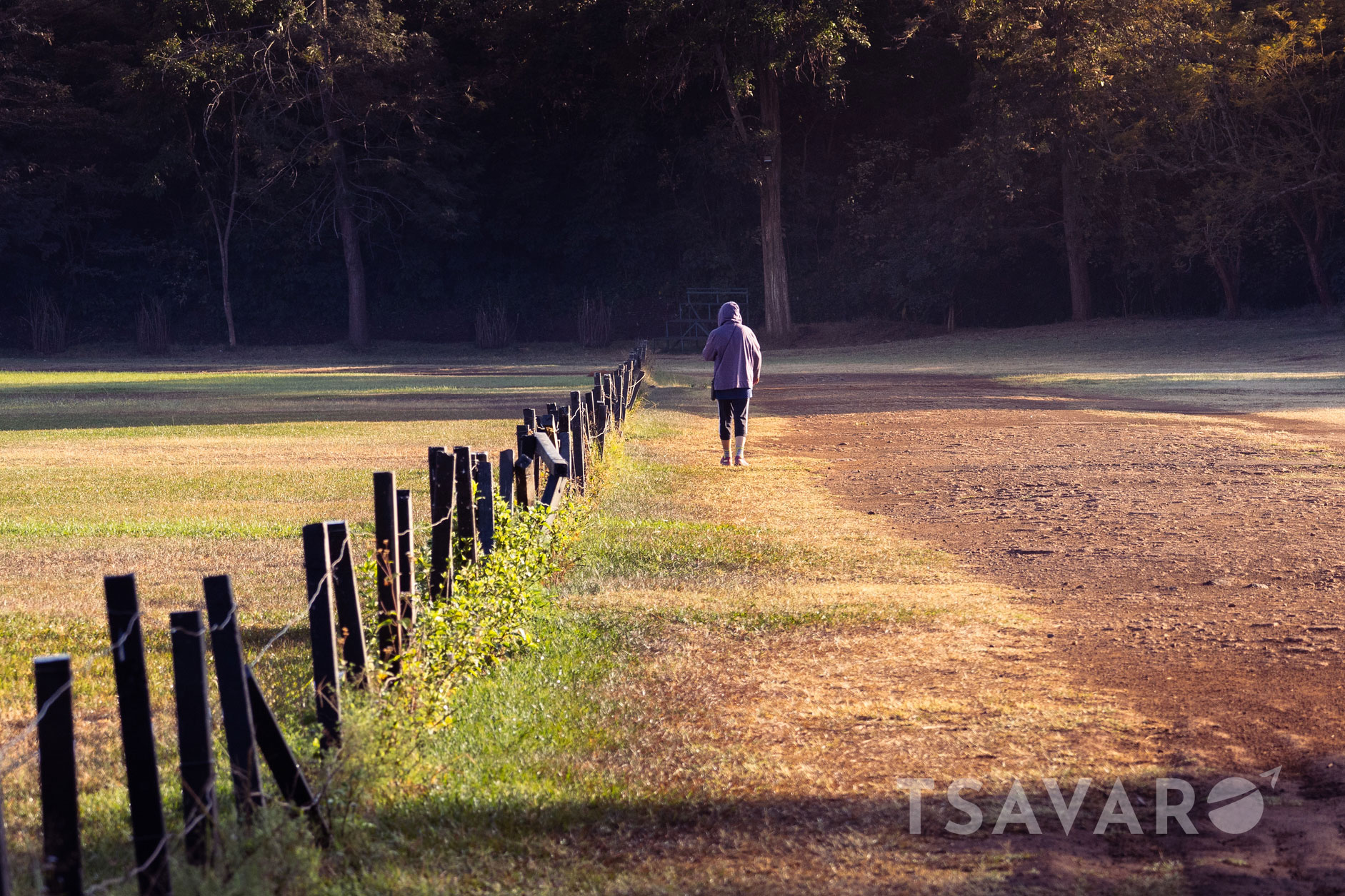
A person exercises at a park in Karura, Nairobi in the early morning hours.
Travel Planning

Health & Safety Tips for Kenya Travelers: Complete Guide 2026

7 min read
T
TsavaroNovember 19, 2025

Kenya offers incredible safari experiences, stunning landscapes, and rich cultural encounters, but proper health and safety preparation is essential for a memorable and worry-free trip. This comprehensive guide provides essential health and safety tips to help you stay healthy and secure while exploring this beautiful East African destination.


Health & Safety Tips for Kenya Travelers

  1. Essential Vaccinations for Kenya Travel
  2. Malaria Prevention Strategies
  3. Food and Water Safety Guidelines
  4. Travel Insurance and Medical Facilities
  5. Personal Security and Safety Precautions
  6. Safari and Outdoor Activity Safety
  7. Transportation Safety Guidelines
  8. Weather-Related Health Considerations
  9. Emergency Preparedness and Communication
  10. Frequently Asked Questions


diana-polekhina-ZBstHWt9vLc-unsplash.jpg


Essential Vaccinations for Kenya Travel

Before traveling to Kenya, consult a travel medicine specialist or your healthcare provider at least 4-6 weeks before departure. Yellow fever vaccination is mandatory if you're arriving from or have transited through yellow fever endemic countries within the previous six days. Keep your International Certificate of Vaccination handy as immigration officials may request it.


Routine vaccinations should be up to date, including measles-mumps-rubella (MMR), diphtheria-tetanus-pertussis, varicella (chickenpox), polio, and your yearly flu shot. These basic immunizations form the foundation of your travel health protection.


Recommended vaccinations for Kenya include Hepatitis A and B, which protect against foodborne and bloodborne infections respectively. Typhoid vaccination is crucial as the bacteria can be contracted through contaminated food and water. Meningococcal meningitis vaccination is recommended, especially if traveling during dry seasons when dust and overcrowding increase transmission risks.


Consider Japanese encephalitis vaccination if you plan extended stays in rural areas, particularly during rainy seasons when mosquito activity peaks. Rabies pre-exposure vaccination is advisable for travelers engaging in outdoor activities, working with animals, or visiting remote areas where immediate medical care may not be available.


Malaria Prevention Strategies

Kenya is a malaria-endemic country, with transmission occurring throughout the year in most regions. The risk is highest in coastal areas, western Kenya, and areas below 2,500 meters elevation. Nairobi and central highlands above 2,500 meters have lower transmission rates but risk still exists.


Antimalarial medication is essential for most travelers to Kenya. Consult with a travel medicine specialist to determine the most appropriate medication based your health status, travel itinerary, and duration of stay. Common options include atovaquone-proguanil (Malarone), doxycycline, or mefloquine, each with different dosing schedules and potential side effects.


Prevention goes beyond medication. Use insect repellent containing 20-30% DEET, picaridin, or oil of lemon eucalyptus on exposed skin. Reapply every 4-6 hours or after swimming or sweating. Wear long-sleeved shirts and long pants during dawn and dusk when Anopheles mosquitoes are most active.


Sleep under insecticide-treated bed nets, especially in accommodations without air conditioning or proper screening. Many safari lodges and quality hotels provide treated nets, but bring your own for budget accommodations or camping. Permethrin-treated clothing provides additional protection and remains effective through multiple washes.


pilau_mombasa.jpg


Food and Water Safety Guidelines

Foodborne illnesses are among the most common health issues affecting travelers to Kenya. The general rule "boil it, cook it, peel it, or forget it" remains the best guideline for safe eating. Drink only bottled water from reputable brands, ensuring the seal is intact when purchased.


Avoid tap water, ice cubes, and beverages made with tap water unless you're certain they've been properly treated. This includes avoiding fresh fruit juices from street vendors unless you see them prepared with bottled water. Hot beverages like tea and coffee are generally safe as the water has been boiled.


Choose restaurants and food vendors carefully. Busy establishments with high turnover are often safer as food is fresher. Avoid raw or undercooked meats, seafood, and eggs. Street food can be delicious and culturally enriching, but exercise caution and observe food preparation practices before purchasing.


Fresh fruits and vegetables should be peeled by yourself or avoided if pre-cut. Salads, garnishes, and uncooked vegetables pose higher risks for contamination. Dairy products should be pasteurized, and avoid unpasteurized milk, cheese, or ice cream from local vendors.


Travel Insurance and Medical Facilities

Comprehensive travel insurance is non-negotiable when visiting Kenya. Ensure your policy covers medical evacuation, as specialized medical care may require transport to Nairobi or even medical repatriation to your home country. Standard travel insurance may not cover high-risk activities like mountain climbing or certain safari activities.


Kenya's medical facilities vary significantly by location. Nairobi and Mombasa have excellent private hospitals with modern equipment and well-trained staff. Aga Khan Hospital, Nairobi Hospital, and MP Shah Hospital in Nairobi provide international-standard care. The Coast General Hospital in Mombasa offers quality services for coastal travelers.


Rural areas and safari destinations have limited medical facilities. Many safari lodges have basic first aid capabilities and communication systems for emergency evacuations. Remote areas may require helicopter evacuation to reach proper medical care, emphasizing the importance of comprehensive insurance coverage.


Carry a well-stocked first aid kit including prescription medications, pain relievers, anti-diarrheal medication, rehydration salts, antiseptic wipes, bandages, and thermometer. Bring extra prescription medications in original containers with prescriptions, as some medications may not be available locally.


Personal Security and Safety Precautions

Kenya is generally safe for tourists who exercise reasonable precautions, but petty crime and opportunistic theft can occur, particularly in urban areas. Avoid displaying expensive jewelry, electronics, or large amounts of cash. Use hotel safes for valuables and carry only necessary items when exploring.


Stay alert in crowded areas like markets, bus stations, and tourist attractions where pickpocketing is more common. Avoid walking alone after dark, especially in unfamiliar areas. Use reputable taxi services, ride-hailing apps like Uber or Bolt in major cities, or arranged transportation through your accommodation.


Be cautious when using ATMs, preferably those located inside banks or shopping malls with security. Avoid isolated ATMs and be aware of your surroundings when withdrawing money. Inform your bank of travel plans to prevent card blocking due to unusual activity.


Research current security situations in your intended destinations, as conditions can change. Register with your embassy or consulate and maintain contact with family or friends about your whereabouts. Keep copies of important documents separately from originals and store digital copies in cloud storage.


25880553510.jpg


Safari and Outdoor Activity Safety

Safari activities require specific safety considerations beyond general travel precautions. Always follow your guide's instructions and maintain safe distances from wildlife. Never exit vehicles unless specifically authorized by guides in designated areas. Wild animals are unpredictable and potentially dangerous.


Sun protection is crucial during game drives and outdoor activities. Kenya's equatorial location means intense UV exposure year-round. Use broad-spectrum sunscreen with SPF 30 or higher, wear wide-brimmed hats, and protective clothing. Reapply sunscreen frequently, especially after sweating or during long game drives.


Stay hydrated during safari activities as East Africa's climate and dust can lead to rapid dehydration. Bring plenty of water and drink regularly, even if you don't feel thirsty. Signs of dehydration include headache, dizziness, and reduced urination.


For hiking or mountain climbing activities like Mount Kenya, acclimatize gradually to prevent altitude sickness. Symptoms include headache, nausea, and difficulty sleeping. Descend immediately if symptoms worsen or if you experience confusion or difficulty walking.


Transportation Safety Guidelines

Road conditions and driving standards in Kenya vary significantly. If renting a vehicle, choose reputable companies and inspect vehicles thoroughly before accepting. Ensure the vehicle has spare tires, emergency equipment, and comprehensive insurance coverage.


Traffic rules may not be strictly enforced, and driving can be chaotic, especially in urban areas. Defensive driving is essential, and many visitors prefer hiring professional drivers familiar with local conditions. Night driving should be avoided due to poor road lighting, unmarked obstacles, and increased accident risks.


For domestic flights to safari destinations, use established airlines with good safety records. Kenya Airways, Safarilink, and other reputable carriers serve major tourist destinations. Small charter operators vary in quality, so research safety records and aircraft maintenance standards.


Public transportation like matatus (shared minibuses) can be overcrowded and driven aggressively. While economical, they may not meet international safety standards. For longer distances, consider domestic flights or organized tours with professional drivers and well-maintained vehicles.


Kenya's diverse climate zones present different health challenges. Coastal areas are hot and humid year-round, increasing risks of heat exhaustion and dehydration. The highlands can be surprisingly cool, especially at night, requiring warm clothing to prevent hypothermia.


Rainy seasons (March-May and November-December) increase mosquito breeding, elevating malaria and dengue fever risks. Flooding can occur in some areas, creating additional health hazards through contaminated water sources and limited access to medical facilities.


Dust during dry seasons can exacerbate respiratory conditions and cause eye irritation. Those with asthma or allergies should bring appropriate medications and consider face masks during particularly dusty conditions, especially during game drives.


Monitor weather forecasts and adjust activities accordingly. Flash floods can make roads impassable, while extreme heat can make outdoor activities dangerous during midday hours. Plan activities during cooler morning and evening hours when possible.


Emergency Preparedness and Communication

Establish communication plans before departing, including regular check-ins with family or friends. Purchase local SIM cards or international roaming plans to ensure connectivity in most areas. However, expect limited or no cellular coverage in remote safari locations.


Learn key emergency numbers: 999 for general emergencies, 911 for ambulance services, and contact information for your embassy or consulate. Many safari lodges and camps have radio communication systems for emergencies when cellular service is unavailable.


Carry emergency contact information including your travel insurance company's 24-hour assistance number, embassy contacts, and local emergency services. Keep this information in multiple locations and formats, including physical copies and digital storage.


Consider satellite communication devices if traveling to very remote areas without cellular coverage. Personal locator beacons or satellite messengers can be lifesavers in true emergencies when other communication methods fail.


Frequently Asked Questions


Staying healthy and safe in Kenya requires thoughtful preparation and ongoing vigilance, but shouldn't prevent you from enjoying this incredible destination. By following these comprehensive health and safety guidelines, you'll be well-prepared to handle common challenges and focus on creating unforgettable memories. Remember that most travelers to Kenya have safe, healthy experiences when they take appropriate precautions and remain aware of their surroundings. With proper planning and common sense, your Kenyan adventure can be both thrilling and secure.